Roofing Upgrades That Actually Pay Off: ROI, Materials, and What Most Homeowners Get Wrong

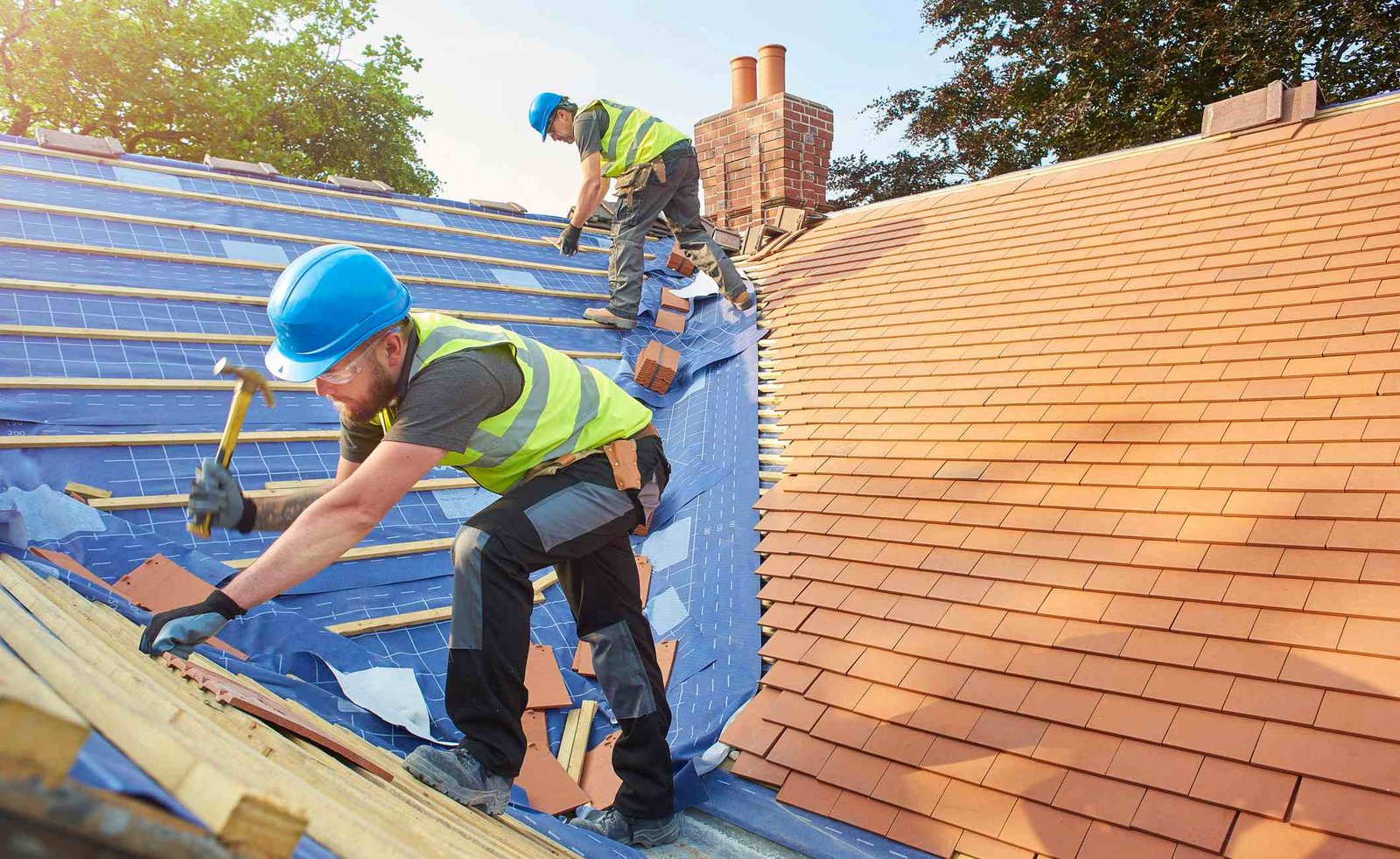
When it comes to home improvement, few projects carry as much weight—literally and figuratively—as a roof replacement. It is one of the most significant investments a homeowner can make, yet it is often approached with a mix of dread and confusion. However, when done correctly, a roofing upgrade is more than just a necessary repair; it is a strategic move that enhances curb appeal, improves energy efficiency, and provides a substantial return on investment (ROI).
According to industry data from resources like This Old House, a new roof can recover a significant portion of its cost during a home sale, often ranking among the top exterior projects for value retention. But not all roofs are created equal. To ensure your upgrade actually pays off, you need to navigate the balance between material durability, local market expectations, and the technical integrity of the installation itself.
The ROI of a New Roof
The average ROI for a roof replacement typically hovers between 60% and 70%. While that might not sound like a “profit” in the traditional sense, the real value lies in the “marketability” of the home. In a competitive real estate market, a roof that is nearing the end of its lifespan is a major red flag for potential buyers. It often leads to heavy price concessions during negotiations or, worse, causes a deal to fall through during the inspection phase. By upgrading before you list, you maintain your asking price, provide peace of mind to buyers, and avoid the stress of last-minute, emergency repairs.
Choosing the Right Materials for Longevity
Most homeowners default to standard three-tab asphalt shingles because they are cost-effective and familiar. However, architectural (or dimensional) shingles have become the modern standard for a reason. They offer a multi-layered, textured look that mimics the appearance of slate or wood shakes and come with significantly better wind resistance and longevity. While the upfront cost is slightly higher, the aesthetic boost and extended warranty often make them the smarter financial choice.
For those looking for a “forever” solution, metal roofing is gaining significant traction. Once reserved for commercial buildings or rural barns, modern residential metal roofs are available in styles that fit any neighborhood. They boast an incredible lifespan of 50 to 70 years and offer superior energy-reflecting properties, which can lower cooling costs by up to 25% in the summer months. If you are unsure which material fits your home’s architecture and your long-term financial goals, consulting with local professionals is key. The team at Nationwide Contracting specializes in helping homeowners identify the best materials for their specific climate and budget, ensuring that every dollar spent contributes to the home’s overall value and structural integrity.
The Importance of a Complete Roofing System
The biggest mistake homeowners make is focusing solely on the shingles while ignoring the “system” underneath. A roof is only as good as its ventilation, underlayment, and flashing. Without proper attic ventilation, heat and moisture build up in the space directly below the roof deck. This effectively “cooks” your shingles from the inside out, causing premature curling and voiding many manufacturer warranties. A complete system includes high-quality ice and water shields in vulnerable valleys, synthetic underlayment that outperforms traditional felt, and precision-installed flashing around chimneys and vents.
Another common error is opting for “roof-overs”—the practice of installing new shingles directly over old ones. While this is cheaper in the short term because it saves on labor and disposal fees, it is rarely a good investment. A roof-over adds excessive weight to your home’s structure and prevents the contractor from inspecting the underlying wooden deck for rot or water damage. Most experts agree that a full “tear-off” is the only way to guarantee a roof will last its full intended lifespan.
Conclusion
A roofing upgrade is a high-stakes project that requires a long-term perspective and attention to detail. By choosing high-quality materials, ensuring a complete system installation, and working with reputable experts who understand local building codes, you can turn a maintenance necessity into a powerful financial asset. Whether you are planning to sell your home in the next year or stay for several decades, a well-executed roof is the ultimate protection for your most valuable investment.