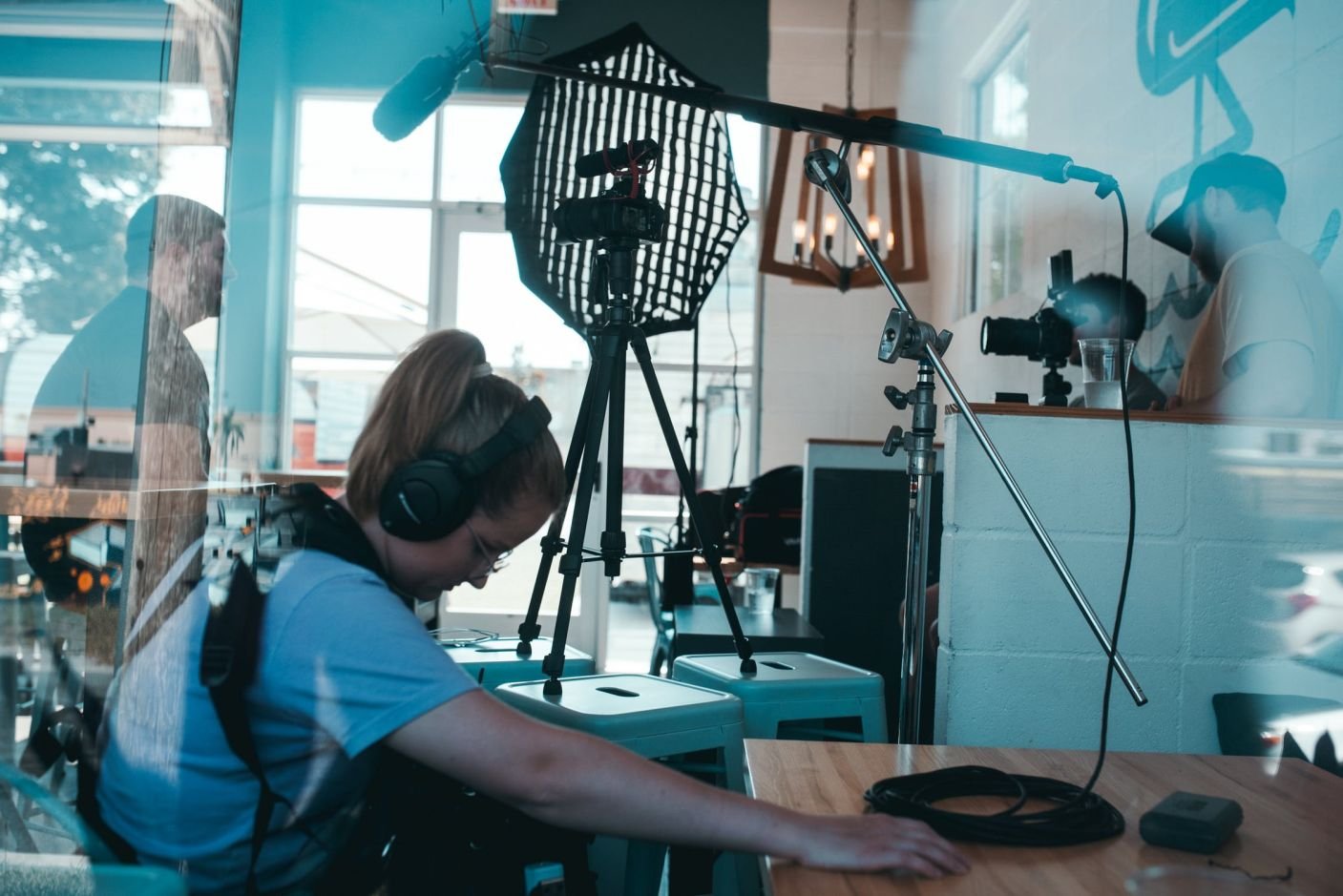
Most people don’t think about field recording until they need a specific sound and can’t find it anywhere. Then they grab their phone, record something vaguely useful in a noisy environment, and wonder why it sounds muddy and thin once it’s in the timeline. The problem isn’t the idea — it’s the execution.
Field recording is a discipline, not a workaround. When done right, it gives you original, high-fidelity audio assets that no stock library can replicate, tailored precisely to the texture and tone of your project. But getting there requires more than pointing a microphone at something interesting.
Gear Is Important, But It’s Not the Whole Story
The conversation around field recording almost always starts with equipment, and while that matters, it’s easy to over-index on gear at the expense of technique. A mid-range portable recorder and a decent stereo microphone will outperform expensive equipment used carelessly every single time.
That said, some baseline specifications are worth understanding. For most post-production work, you want to record at 24-bit depth and a minimum of 48kHz sample rate. This gives you enough dynamic range and headroom to process the audio later without introducing artifacts. Anything below that ceiling tends to limit your options in the edit, especially if the sound needs significant EQ work or pitch manipulation.
Windshields and deadcats aren’t optional outdoors — they’re essential. Even a light breeze hits a bare capsule hard enough to ruin an otherwise clean recording, and wind noise is notoriously difficult to remove without degrading the material underneath it.
Location Scouting Is Half the Work
Experienced field recordists treat location scouting with the same seriousness as a film crew scouting a shooting location. The acoustic properties of a space — its reverb tail, background noise floor, reflective surfaces — will shape every sound you capture there. Walking a space before you record saves you from discovering problems after the fact, when fixing them means going back.
Urban environments are particularly deceptive. A quiet alley can carry low-frequency rumble from a nearby subway line that only shows up clearly on a spectrogram. Parking structures create flutter echo that muddies transient-heavy sounds. Industrial sites often have HVAC systems running that you stop consciously hearing after a few minutes, but your microphone won’t.
The best field recordists develop an almost obsessive awareness of ambient sound — the kind of listening where you’re not just hearing a space, but mentally cataloguing everything in it that could interfere with what you want to capture.
Technique: What Separates Usable Takes From Wasted Ones
Once you’re on location with good gear and a clean acoustic environment, the technical decisions you make during recording have an outsized impact on what ends up being usable. Gain staging is the most common point of failure. Record too hot and transients clip; record too low and you bring up noise floor when you push the gain in post.
A few principles that hold up across most field recording scenarios:
- Record more than you think you need. Multiple takes of the same source sound give you options during editing and let you composite the best elements together.
- Let sounds breathe. Don’t stop recording the moment the main event ends — the decay and room tone that follow are often exactly what a mix needs.
- Capture room tone separately. A 30-second clean recording of the ambient environment is invaluable for smoothing cuts in post.
- Move your microphone position. Small adjustments in distance and angle change the character of a sound significantly. The first position isn’t always the best one.
When Field Recording Alone Isn’t Enough
There are projects where field recording is impractical, time-consuming, or simply not the right approach for every element. Complex productions — game audio pipelines, broadcast work, episodic post-production — often require a combination of original recordings and professionally sourced material. In those cases, having access to quality sounds for post-production from a well-organized, broadcast-spec library fills the gaps that no single recording session can cover.
The strongest audio workflows treat field recording and licensed sound libraries as complementary tools rather than competing ones. Your original recordings bring specificity and authenticity; a reliable library brings depth, variety, and efficiency when deadlines are tight.
Neither approach alone is enough. Together, they give you the full range of material a serious production demands.