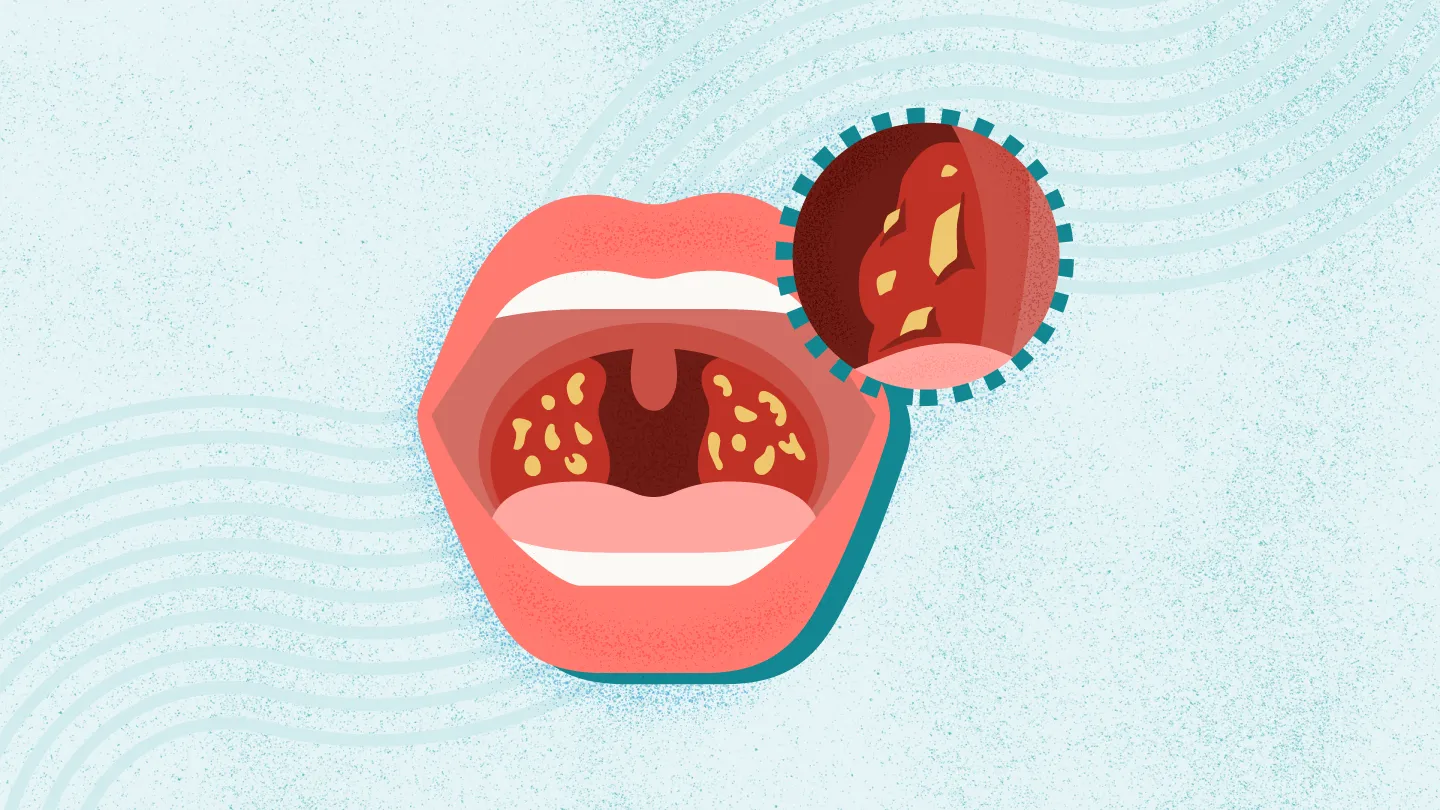
If you’ve ever coughed up a small, smelly, yellowish or whitish lump from the back of your throat, you’ve likely dealt with a tonsil stone — and if you’re wondering why they keep showing up, the answer comes down to the natural structure of your tonsils and what gets trapped in them.
What Are Tonsil Stones?
Tonsil stones, medically known as tonsilloliths, are small, hardened clumps that form in the crevices of your tonsils. Your tonsils have natural pockets and folds called crypts, and these crypts are prone to trapping debris — which, over time, can calcify into the hard little deposits people find so unpleasant.
Why Do You Get Tonsil Stones?
1. Your tonsils have natural crypts and pockets.
The tonsils’ surface isn’t smooth — it’s full of small folds and crevices designed to help trap bacteria and particles as part of your immune system’s first line of defense. Unfortunately, those same pockets are also perfect places for debris to get stuck and build up.
2. Food particles and mucus get trapped.
Bits of food, dead skin cells, and postnasal drip (mucus) can collect in these crypts. Over time, this material can harden and calcify, especially if it isn’t dislodged naturally through swallowing, coughing, or clearing your throat.
3. Bacteria feed on the trapped debris.
Bacteria in the mouth thrive on the trapped material, breaking it down and producing sulfur compounds — which is exactly why tonsil stones often have a strong, unpleasant smell.
4. Chronic inflammation or infection increases risk.
People who deal with recurring tonsillitis or chronic inflammation of the tonsils tend to develop deeper, more irregular crypts over time, which makes debris buildup — and therefore tonsil stones — more likely.
5. Poor oral hygiene can contribute.
Inconsistent brushing, flossing, or tongue cleaning allows more bacteria and food particles to linger in the mouth, increasing the raw material available to form stones in the tonsil crevices.
6. Dry mouth or reduced saliva flow.
Saliva helps naturally wash away debris in the mouth. Less saliva production — whether from dehydration, certain medications, or sleeping with your mouth open — can leave more material sitting in the tonsil area to harden.
7. Post-nasal drip from sinus issues or allergies.
Chronic sinus congestion or allergies increase mucus drainage down the back of the throat, giving tonsil crypts more material to trap and build up over time.
Common Symptoms of Tonsil Stones
- Bad breath (halitosis) that doesn’t improve with regular brushing
- A persistent feeling of something stuck in the throat
- Visible white or yellow specks on the tonsils
- Mild throat discomfort or a sore-throat sensation
- Occasional ear pain, since the tonsils share nerve pathways with the ears
How to Reduce Your Chances of Getting Them
- Practice good oral hygiene, including brushing your tongue and using mouthwash to reduce bacteria buildup.
- Stay hydrated to keep saliva flow consistent, since saliva helps naturally clear debris.
- Gargle with warm salt water regularly to help dislodge trapped particles before they harden.
- Treat underlying sinus or allergy issues, since reducing postnasal drip cuts down on the material tonsils can trap.
- Avoid smoking, which contributes to dry mouth and irritation that can worsen buildup.
When to See a Doctor
Occasional small tonsil stones are usually harmless and can often be managed at home. However, if you’re dealing with frequent, large, or painful tonsil stones — or recurring tonsil infections — it’s worth talking to a doctor or ENT specialist. In more persistent cases, some people opt for a tonsillectomy, though this is typically reserved for cases where tonsil stones are frequent, large, or significantly affecting quality of life.
Bottom Line
Tonsil stones form because of the natural crypts in your tonsils trapping food debris, mucus, and bacteria, which then calcify over time. While good oral hygiene, hydration, and managing postnasal drip can reduce how often they show up, people with naturally deeper or more irregular tonsil crypts may be more prone to them regardless of habits — and that’s simply a matter of individual anatomy rather than anything done wrong.